Someone in your team is having cancer treatment: How can you support return to work?
Read time:
mins

This article outlines important considerations to make when an employee is thinking about returning to work during or after cancer treatment.
Returning to work after or during cancer treatment requires careful consideration by all parties involved. You as manager, and the affected employee, will need to work closely together, involving other stakeholders and professionals, such as wider team members, occupational therapists and HR, if and when it’s appropriate. This article offers guidance around what to consider at every stage of the process, including if the return fails.
What should be considered before the employee returns to work?
Readiness
Just because your employee undergoing cancer treatment has a fit note clearing them for work, this will not necessarily mean that they feel ready. Readiness to return is not just medical – it is emotional and practical, too. And it may change – they may feel ready to return and then have a setback, or may surprise themselves by feeling more ready than expected.
Have an open conversation with the employee before the return date. Ask how they’re feeling about coming back, not just whether they are physically recovered enough to return. It’s a conversation that shouldn’t be rushed. Give the employee time to reflect and respond. Involve Occupational Health as needed and be guided by your organisation’s own internal policies and processes.
The whole picture
Returning to work is rarely the only thing the employee is returning to when the main hospital-based treatment is complete. They may be re-establishing routines, managing ongoing medical appointments, reconnecting with family and social life, and processing the emotional weight of what they have been through. In many cases, individuals will also be starting on new medications to reduce recurrence risk or manage ongoing issues, and these will have their own side-effects. Be mindful that the employee is managing multiple transitions at once – not just a return to work – and ensure any plan allows for this.
Phasing the return
A phased return allows an employee to build back up gradually rather than returning to full hours and responsibilities immediately. Before you begin conversations about a phased return plan, check your organisation's policies and whether occupational sick pay continues during this period.
The phased return plan should be agreed in writing, and include the start date, hours, days, location and a timeline. It’s important to be realistic about the pace of the return, and it’s a good idea to err on the side of returning more slowly rather than quickly.
Build in formal review points to assess how the phased return is going and adjust if needed. Also ensure you have informal checkins at regular intervals, and don’t wait for a formal review point if something is clearly not working – address it early. A phased return is a temporary arrangement. Be clear on what the expectation is longer term, while remaining flexible if circumstances change.
Adjustments and equipment
The ongoing physical effects of cancer treatment may mean practical workplace adjustments are needed for the employee to work safely and comfortably. These are a legal obligation, not a discretionary gesture. And they should be reviewed regularly, as the employee's condition and needs may change.
Seating, desk setup, access to facilities, parking, temperature and lighting should all be considered. If the role involves physical work, assess whether this remains appropriate. Involve Occupational Health if there is any uncertainty about what adjustments are appropriate
Summary
Before the employee returns to work have a conversation about whether they feel ready, regardless of whether they are medically able.
Consider readiness in the context of everything that’s going on in their life.
Create a phased return-to-work plan together and agree on reasonable adjustments that will help them do their job safely.
What should be considered as the person returns to work, and afterwards?
The first day back
The first day back to work will set the tone for the person’s whole return, so take time to plan it deliberately, briefing the team so nobody is caught off guard.
Consider who will greet the employee when they arrive – it should feel like a warm welcome – and make sure their desk, equipment and any system access is ready before they arrive. Give the employee some breathing space to settle back in before diving into work, and keep their diary light, avoiding back-to-back meetings or a packed schedule on day one.
Catching up
Think carefully about how much information to share with the returning employee, and when, as a brain dump of everything that has happened while they were away can be overwhelming, especially if they’re experiencing fatigue and/or cancer-related cognitive impairment. Prioritise what the employee genuinely needs to know to do their job, versus what is nice to know.
Also consider who delivers the update – you as manager, or perhaps a colleague who has been covering is better placed to do this. Drip feed information over the first few weeks rather than front loading it all on day one. Giving information in a format that the employee can revisit if helpful. It may be hard for them to take everything in at once, and they may not feel comfortable asking again.
Roles and responsibilities
Be clear with the employee about what their role looks like on their return, particularly if things have changed in their absence. If responsibilities were redistributed, have an honest conversation about what is being handed back and agree on a pace for doing this. It can be tempting to show confidence in them by ‘hitting the ground running’, but too much too soon and jeopardise their return. Remember that they may feel de-skilled and have lost confidence in their abilities.
Put any agreed changes to their role or responsibilities in writing, for clarity and reference. If the role has changed significantly during their absence, this needs careful handling. Seek advice from your HR team if this is the case.
Summary
Co-create your employee’s first day back with them, considering their welcome and schedule
Rather than one big ‘catching up’ session, think about sharing only what’s important at first, and drip-feeding the rest to avoid overwhelm
Be honest if their role and responsibilities have changed, and put this in writing
What should be communicated to others?
The wider team
Your team will likely be pleased the employee is returning but may be unsure how to act – a brief, warm message from you as manager can help set the tone. The most important aspect of this communication is to agree with the employee in advance what will be communicated, to whom, and in what format, being mindful of your legal obligations. Avoid making the return feel like a big event or putting the employee in the spotlight if they’ve not asked for that.
2. Colleagues who covered the employee’s work
It’s important to openly and genuinely acknowledge the efforts of colleagues who covered the employee’s work during their absence. Failure to do this can create quiet resentment that surfaces when responsibilities are handed back. Be transparent about the plan for handing work back, including timelines, and what goes back and when, and give the colleagues a chance to raise any concerns about the transition privately.
3. Other key stakeholders
If needed, brief key stakeholders separately about the employee’s return to work. This is especially important if the employee's role or responsibilities are changing temporarily.
Summary
Communicate your employee’s return to the wider team and stakeholder carefully, agreeing with them what to share
Be sensitive when handing work back from colleagues who have been covering them
What do you need to consider as the return continues?
The ongoing impact of cancer
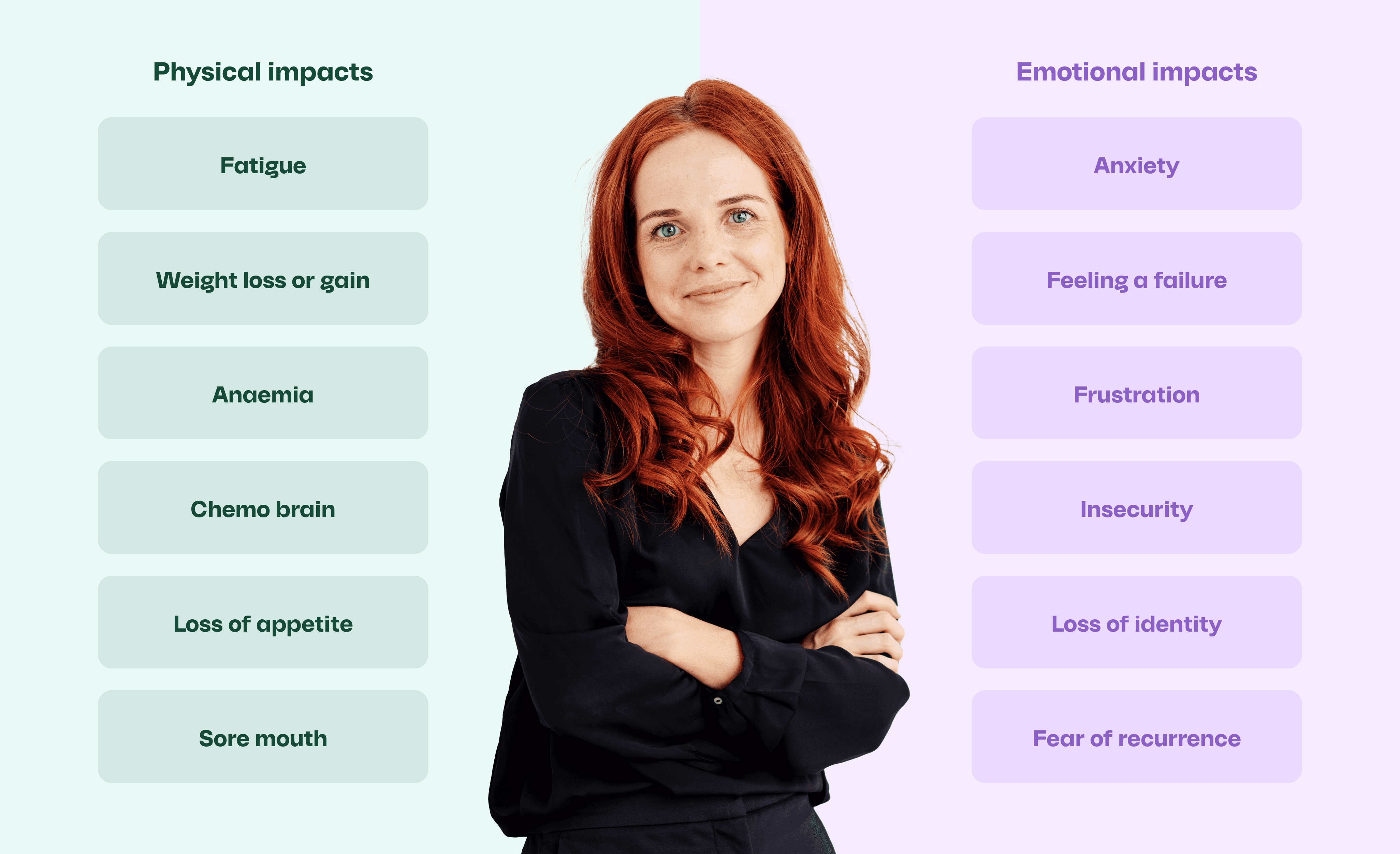
Cancer treatment ending does not mean the impact of cancer has ended. Many people experience long-term or late effects of treatment, including ongoing fatigue, pain, cognitive effects and hormonal changes. There may be ongoing medical appointments, scans and monitoring that require time away from work, as well as new medications or treatments that start when active treatment finishes. The employee may be living with uncertainty about their prognosis, which carries a psychological weight that doesn’t simply lift when treatment ends.
Ask your team member what impacts they are still experiencing, and what plans there are for further treatment, appointments or checks.
Mental wellbeing
It is well documented that mental wellbeing often dips when the main hospital-based treatment ends, sometimes significantly. During treatment there is a clear focus and a clinical team around the person. When that structure falls away, feelings of anxiety, low mood or loss of purpose can emerge. The employee may feel pressure to be grateful and positive, which can make it harder to admit they are struggling.
Watch for signs that the employee is not coping. These include withdrawal, reduced performance and changes in behaviour. Normalise talking about mental health, and let them know it’s completely normal to find this period harder than expected. Then signpost them to available support, including Perci Health, EAP, Mental Health First Aiders, their GP and support organisations such as Maggie's and cancer charities.
Long term conditions and disability status
Cancer is treated as a disability under UK law from the point of diagnosis, for life, meaning your team member is legally protected from disability discrimination even after they return to their usual role and responsibilities. This means that legal obligations around reasonable adjustments may continue beyond the return to work period.
The return not going to plan
Sometimes a return to work breaks down. The employee goes off sick again, or it becomes clear the original role is no longer feasible. Do not try to manage this alone – involve HR as early as possible.
Summary
As the return to work progresses, ask your employee about the long-term impacts of cancer that they may be experiencing, and watch for signs they aren’t coping
Work with HR to understand your continuing legal obligations and if the return-to-work plan look like it might fail
Read time:
5
mins