Someone in your team is having cancer treatment: How might it impact them?
Read time:
5
mins
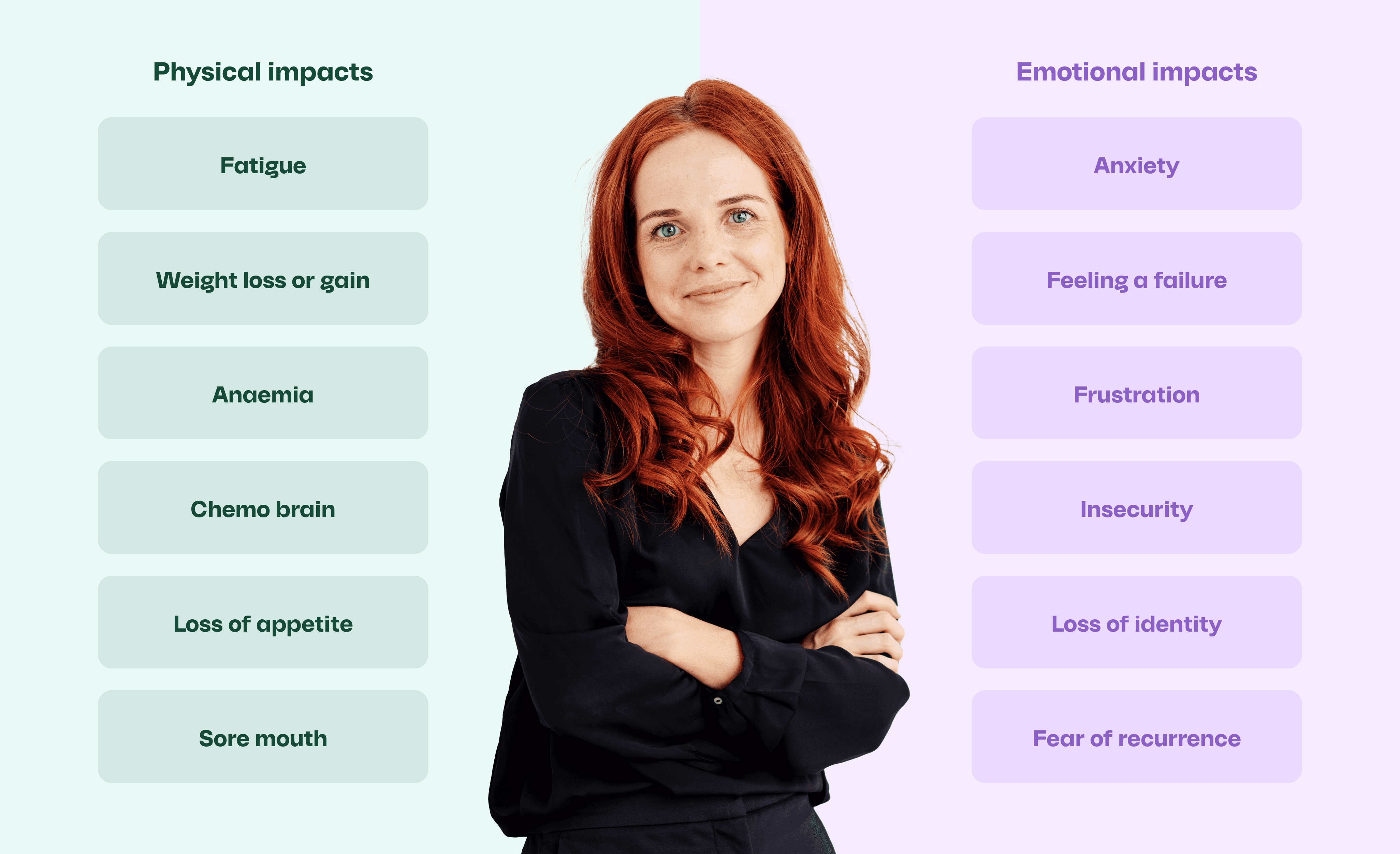
This article outlines eight physical and emotional impacts of cancer treatment that are usually hidden from view
Key takeaways
Fatigue and cancer-related cognitive impairment are two common side-effects of cancer treatment that can have a significant effect on how someone is coping in the workplace
The symptoms of treatment-induced menopause can be frustrating and also debilitating for women
Fear of cancer recurrence is among the most commonly reported problems and one of the most common areas of unmet need for people living beyond cancer
Anger, resentment, anxiety and negative body image are just four of the emotional impacts of cancer treatment that someone might be dealing with, along with many others
Everyone’s experience of cancer and cancer treatment is different, and the same is true for its impacts. Often two people with the same type of cancer and the same treatment plan will have different side-effects. However, the eight side-effects described below are common to many people. Understanding these can help you as a manager understand what an employee with cancer may be going through – especially as all are invisible. It’s important, however, not to make assumptions. Instead, create the space for them to talk openly about their experiences if they want to, and just listen.
Four physical impacts of cancer treatment
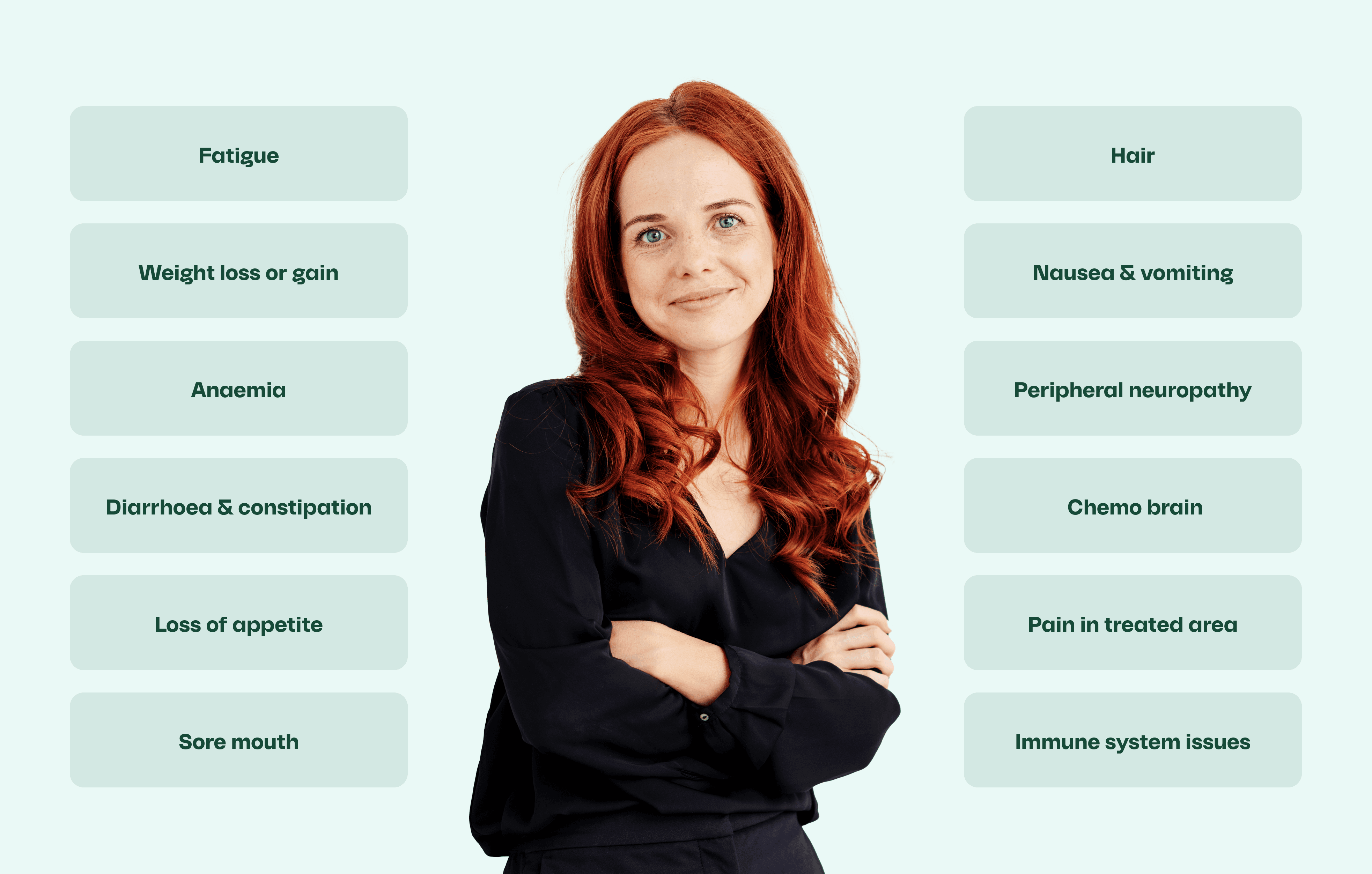
There are many effects and side effects that impact a person after a cancer diagnosis. Here are the main physical effects.
1. Fatigue
Around two thirds of people who have had cancer treatment will experience fatigue and for nearly half the fatigue lasts for three months or more. Cancer-related fatigue can have a profound impact on someone’s life. Physically, they might need to do less and rest more, and find it has an effect on their concentration and overall wellbeing. Emotionally, they might start to feel hopeless, disinterested or depressed.
Fatigue can also affect a person socially. People with cancer-related fatigue can find they are interacting with people less, experiencing issues at work and in relationships, and are more dependent on others.
2. Cancer Related Cognitive Impairment or brain fog
Changes to memory and concentration after cancer treatment is known as Cancer Related Cognitive Impairment or CRCI. You might have also heard it called ‘brain fog’. CRCI can be experienced in different ways, including memory loss, attention deficits – such as being unable to concentrate on work tasks or conversations – word finding difficulties and concentration issues, and can affect up to three quarters of cancer patients. Although symptoms usually get better after treatment, for many they impact the return-to-work phase.
3. Digestive issues
Chemotherapy, surgery and ongoing cancer treatments can all affect digestion. Someone may have had part of their bowel or stomach removed, or they may have a stoma, all of which can cause issues with their diet and the worry of needing to be near a toilet.
4. Treatment-induced menopause
Cancer treatments such as chemotherapy and radiotherapy to the pelvis (the area between the hip bones) can affect the way the ovaries work, causing temporary or permanent earlier menopause. Surgery to remove both ovaries has the same effect. Menopausal symptoms can also be common for women who are taking hormone therapy as part of their breast cancer treatment. Some of the most common physical symptoms include hot flushes, night sweats, weight gain, heart palpitations and difficulty sleeping.
Four emotional impacts of cancer treatment
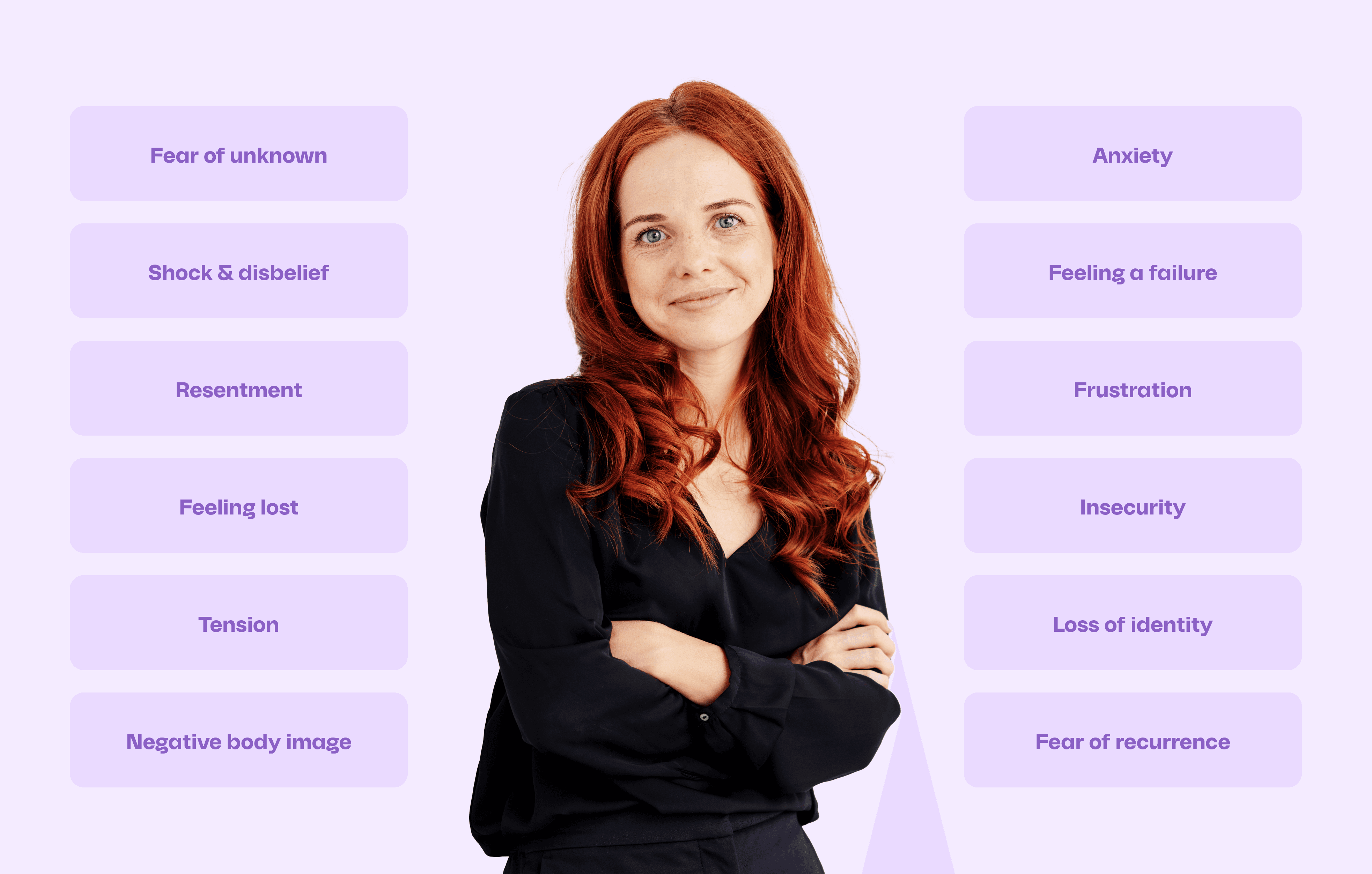
The emotional impacts of cancer treatment don’t stop when someone arrives at work, and can affect their wellbeing. Here are just four to consider.
1. Anxiety
Existential anxiety is a feeling of dread or panic that occurs when a person starts to worry about the limitations of their existence, and it can be frightening and unsettling. Individuals having cancer treatment might find themselves reflecting on their mortality, or fearing further ill health or death. This can also be magnified by catastrophic thinking: imagining or assuming the worst. These thoughts can quickly escalate.
2. Anger or resentment
Everyone’s experience of cancer is unique and, therefore, the reasons for anger will be different, too. Someone may feel angry about what they’ve faced, the impact cancer has had on relationships and career, the side-effects of cancer treatment,
changes to their life because of cancer and not being able to do as much as before their diagnosis, as well as a host of other reasons.
3. Fear of cancer recurrence
A study in 2019 found that fear of cancer recurrence (FCR) was reported by nearly half of all people who had been diagnosed with cancer, with all of them experiencing it with moderate to high levels of intensity. FCR is among the most commonly reported problems and one of the most common areas of unmet need for people living beyond cancer.
Dr Simone Ruddick describes FCR as characterised by cancer-specific worries: ‘You might feel scared or even terrified of your cancer returning. You might be experiencing feelings of fear or paranoia, high levels of worry, rumination, intrusive thoughts or distress.’
4. Negative body image
After cancer treatment, someone might find that the way their body looks and feels might be different. They may have scars from surgery or have experienced weight gain or loss because of chemotherapy or other treatment drugs. Treatment side-effects might include hair loss, nail changes or dry skin and many other effects that can make clothes and footwear feel uncomfortable. Changes to a person's body and appearance can erode confidence, which can lead to a feeling of disconnection.

Previous article
Read time:
5
mins